Observing Light and Shadow: Practical Exercises for Seeing Form
Why Light Matters
Light defines form. Understanding how light falls on surfaces clarifies volume, texture and spatial relationships. Many marks that read as convincing come from accurate value choices and consistent light logic rather than intricate detail.
Simple Exercises to Start
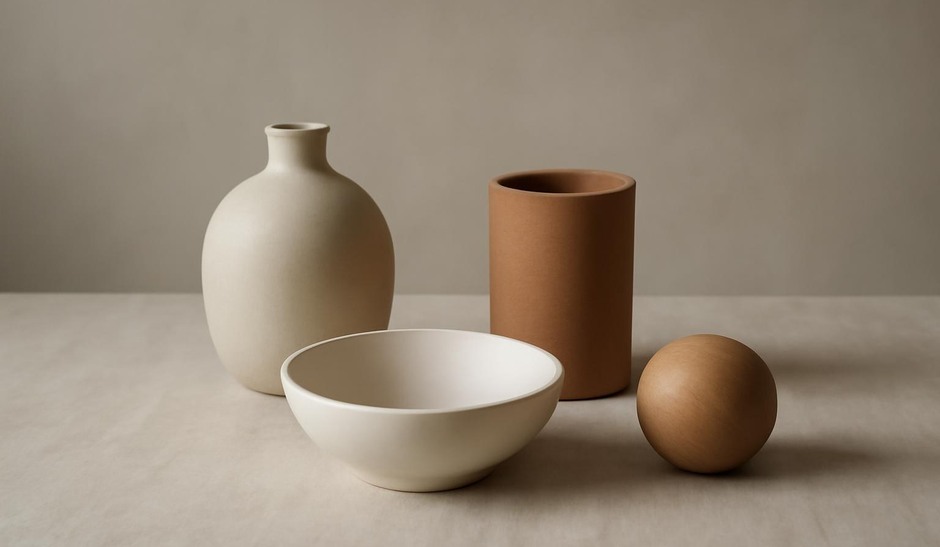
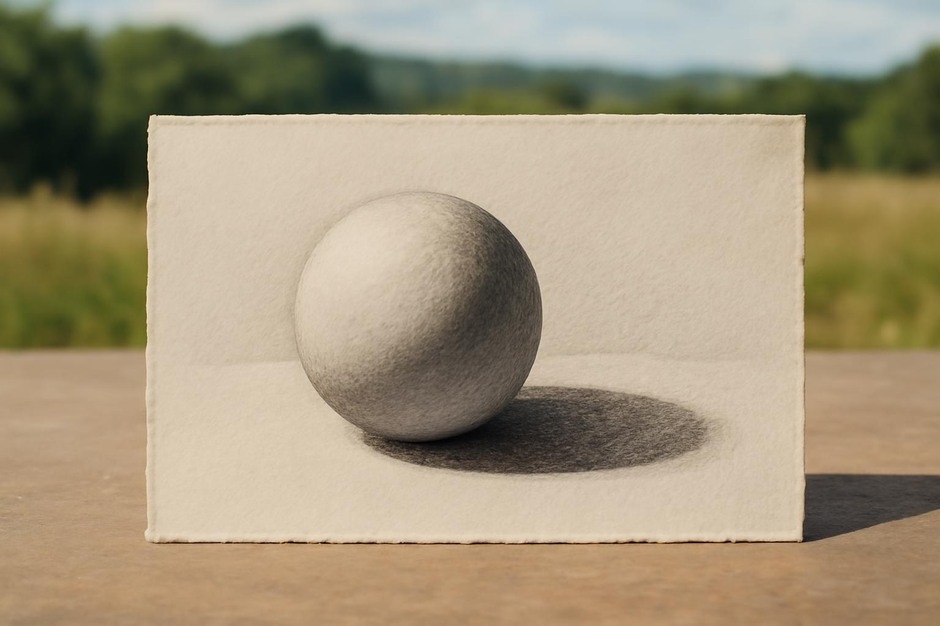
Begin with a single object under a steady light source. A lamp placed to one side creates clear highlights and shadows. Make quick value sketches that reduce the object to three to five values: highlight, light plane, mid-value, core shadow and reflected light. This simplification trains the eye to prioritize major planes over surface detail.
Edge Studies
Notice where edges harden or soften. Cast shadows often have sharper edges near the object and softer edges further away. Transitional edges indicate curvature or multiple planes. Practice drawing the outline of the shadow shapes as well as the form itself; they are equally informative for anchoring the object in space.
Reflected Light and Ambient Effects
Reflected light lifts the shadowed side and connects objects to their environment. Observe subtle light bouncing back onto the form from nearby surfaces. These reflected tones can be lighter than the core shadow and are essential for believable modeling. Capture them with a slightly warmer or cooler tone to show the interplay of surfaces.
Cast Shadows as Shape and Anchor
Cast shadows provide information about the light direction and the relationship between object and ground. Treat cast shadows as compositional shapes. Their edge, density and orientation help situate the object and can be used to strengthen the overall design.
Value Mapping and Tone Checks
Create a value map by squinting at the subject and marking shapes of light and dark. Translate that map into a rough tonal sketch before adding detail. Periodically step back or view the work from a distance to check overall value relationships. Small tonal misalignments are often easier to spot in a simplified map.
Controlled Experiments
Change the angle or strength of the light and observe how the form responds. A higher light flattens features; a low raking light emphasizes texture and cast shadows. Using a consistent object for multiple lighting studies isolates the effect of light and accelerates learning.
Integrate Observation into Routine
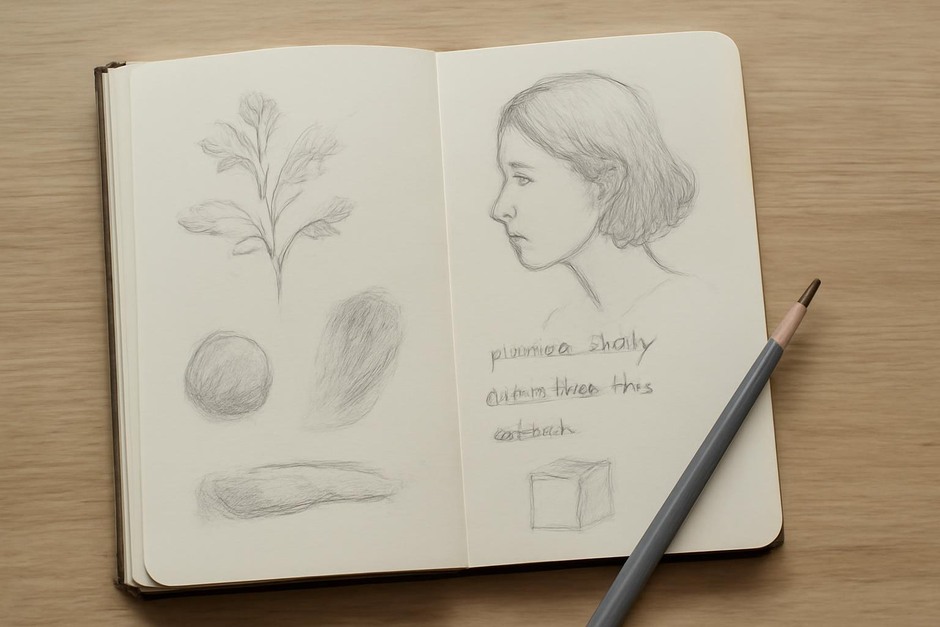
Short, frequent studies are more effective than rare, long sessions. Five to twenty minute exercises fit easily into daily practice and reinforce the habit of seeing tonal relationships quickly. Keep a rolling series of light studies in a sketchbook to track progress and notice subtle improvements.
Maintain a Curious Eye
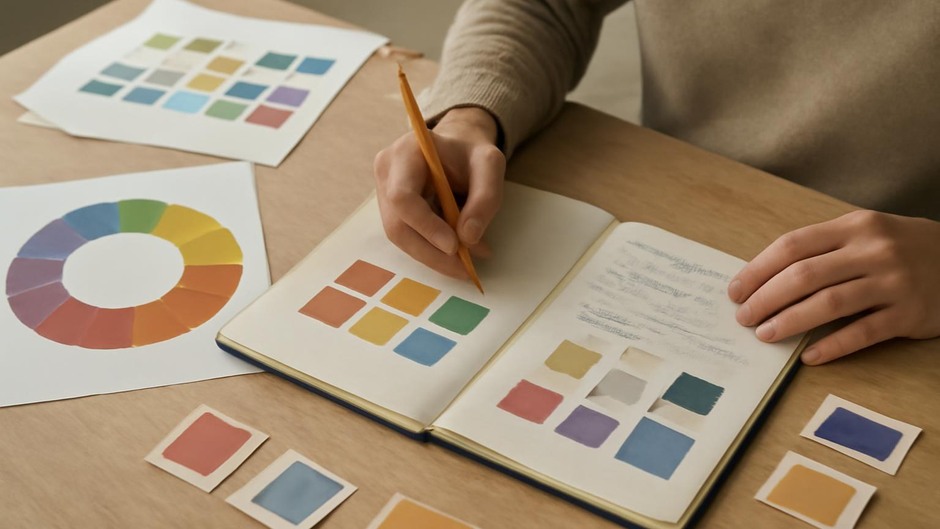
Light offers endless variety. Approach it with curiosity: notice colour shifts in shadows, how reflections alter edges, and how surfaces respond differently to the same light. The practice of observing light and shadow strengthens the ability to render convincing forms and deepens the visual vocabulary available to any maker.