Materials for Mixed Media: Practical Choices That Encourage Play
Choosing Materials with Intention
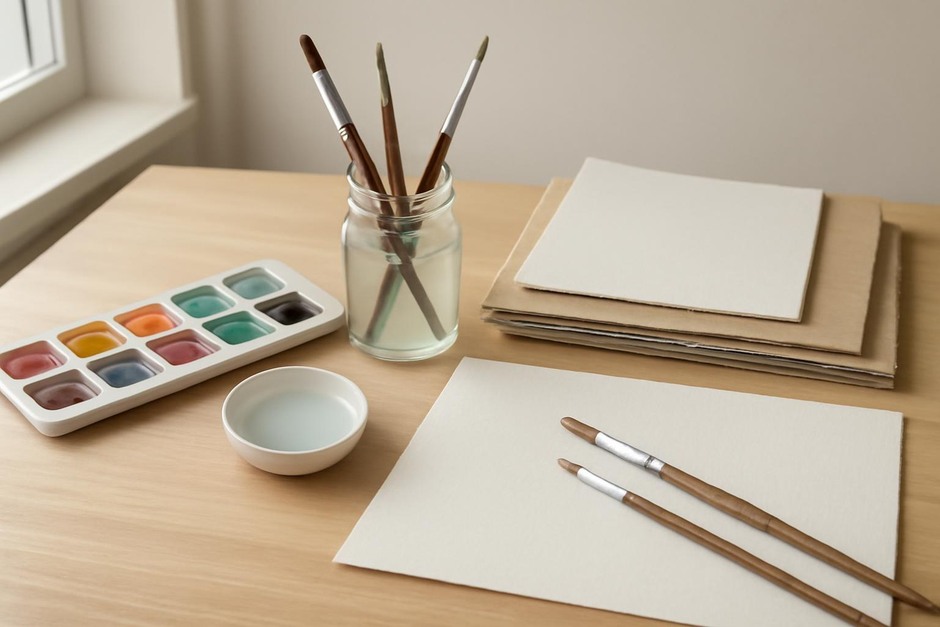
Mixed media practice flourishes when materials invite experimentation rather than complicate it. Select a core set of reliable supplies that are forgiving and accessible: a versatile paper, a few paints that mix well, and adhesives that hold without long waits. These choices reduce friction and encourage play.
Paper and Support
The support matters. A heavyweight paper or a mixed-media sketchbook provides a stable base for layering wet and dry media. For collage and heavier applications, consider a stiff board or heavyweight paper that resists buckling. Test how surface texture affects mark making: smooth papers favour fine line work, while toothy surfaces catch pigment and create texture.
Paints and Inks
A small selection can cover a wide range of effects. Watercolour, gouache and acrylic each have distinct behaviours. Watercolour is transparent and responsive to washes; gouache is opaque and useful for corrections; acrylic is versatile for texture and faster drying. Select pigments that mix well and a neutral dark to anchor compositions. Inks provide strong linear accents and contrast when paired with paint.
Drawing Tools and Marks
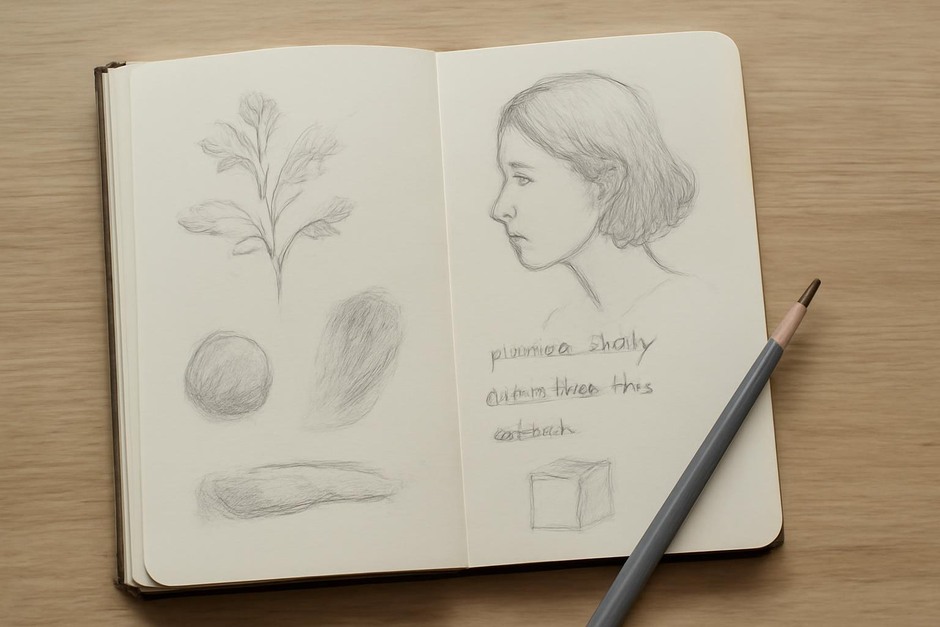
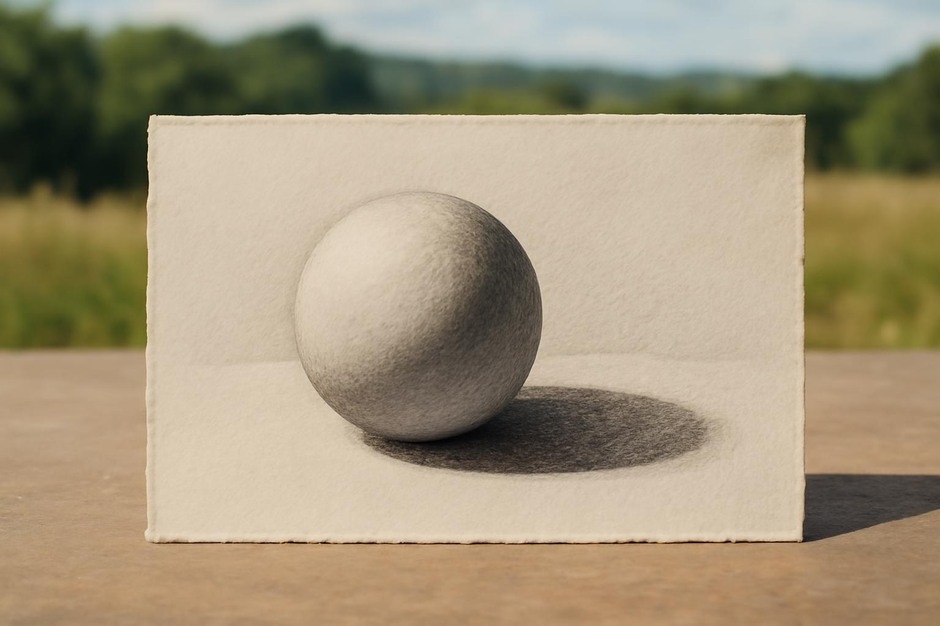
Pencils, charcoal, graphite sticks and oil or water-soluble crayons offer a broad spectrum of marks. Keep a few favourite drawing tools that respond predictably. Use firmer materials for quick sketches and softer tools for expressive shading. A reliable eraser and a small set of blending tools complete a functional drawing kit.
Adhesives and Collage Materials
Choose adhesives that match the materials. PVA glue is versatile and durable for paper-to-paper work; gel mediums are useful for heavier elements and can be used as a surface varnish. When working with thin papers or printed materials, a light adhesive or a dry-mounting approach prevents warping. Test adhesion on scraps before committing to a final piece.
Brushes and Tools for Application
Select a few brushes in different sizes and a flat tool such as a palette knife for texture. Wide brushes allow fast coverage while small rounds aid detail. Clean brushes promptly to preserve their shape and performance. Simple tools like sponges, stencils and masking tape expand possibilities without adding complexity.
Organise for Play
Arrange materials so they are visible and easy to reach. A tidy, compact setup encourages impulse experiments. Keep a small tray of scraps, swatches and collage materials for immediate use. When the barrier to trying something new is low, experimentation becomes a natural part of the process.
Test and Record
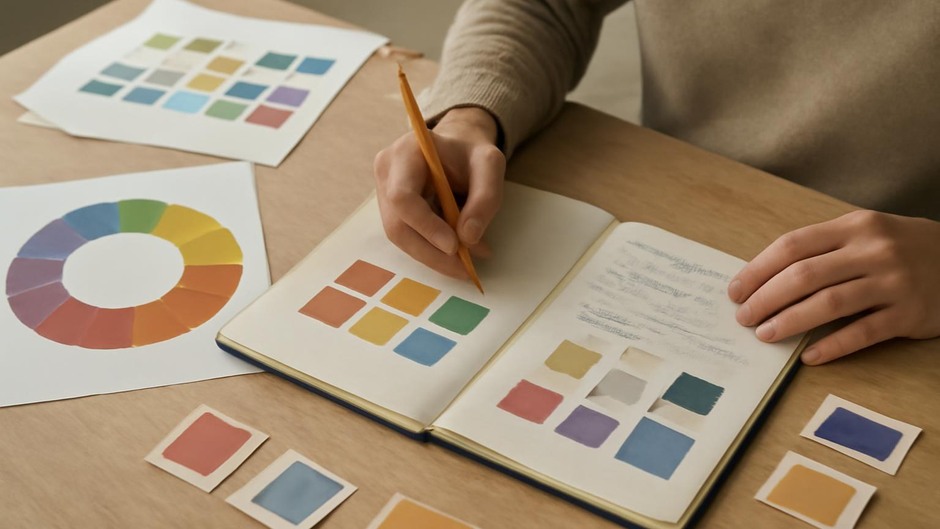
Before combining unfamiliar materials, run small compatibility tests. Observe how different media interact on your chosen support and note drying times, adhesion, and any unexpected reactions. Recording these results in a materials notebook creates practical knowledge you can draw on later.
Sustain a Curious, Respectful Approach
Materials are partners in the making process. Approach them with curiosity and practical respect: understand their tendencies, accept their limitations, and exploit their strengths. The combination of mindful choices and routine testing builds a dependable mixed media practice that encourages exploration with fewer surprises.