Reading Visual Culture: Quiet Ways to Look at Everyday Images
Seeing Images as Teaching Tools
Every image encountered in daily life — in print, on a shelf, in a storefront window — provides information about composition, colour, material and narrative. Reading these images deliberately strengthens visual literacy and offers practical lessons that can be adapted to studio work.
Slow Looking Practices
Slow looking means pausing to note structural choices rather than consuming images quickly. Ask simple questions: What is the focal point? How is balance achieved? What colours are dominant and how are contrasts used? These quick analyses reveal intentional devices that can inform one’s own decisions.
Deconstruct Composition
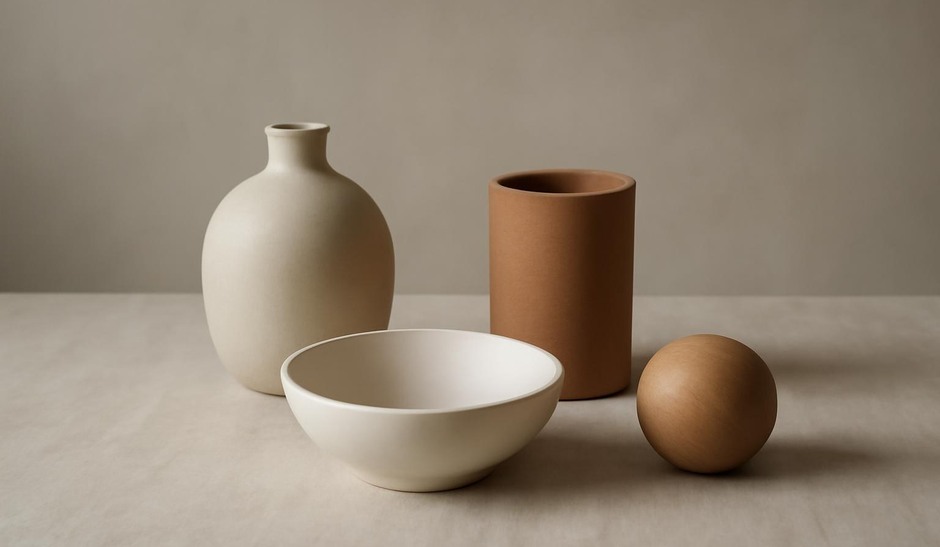
Break an image into its compositional components. Identify foreground and background shapes, the use of negative space, and any leading lines or rhythmic repetitions. Consider how scale and cropping affect the mood and clarity. Deconstruction makes composition approachable because it isolates discrete choices you can practice and replicate.
Notice Material Cues
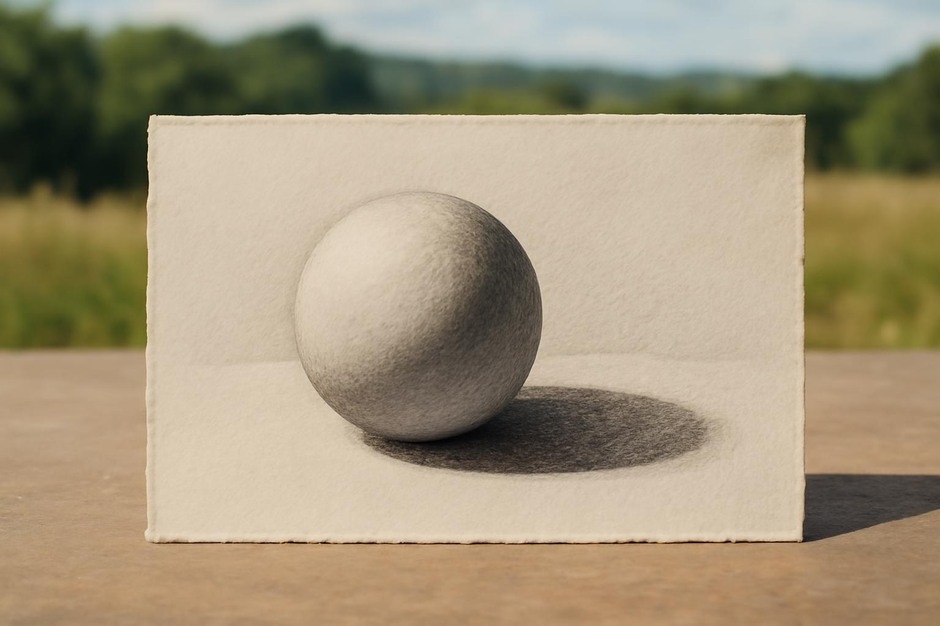
Images also communicate material qualities: gloss, texture, wear and patina. Observe how highlights, edges and shadow patterns render surface. When translating these observations into work, experiment with mark making and medium choices that suggest similar tactile qualities.
Colour as a Communicative Tool
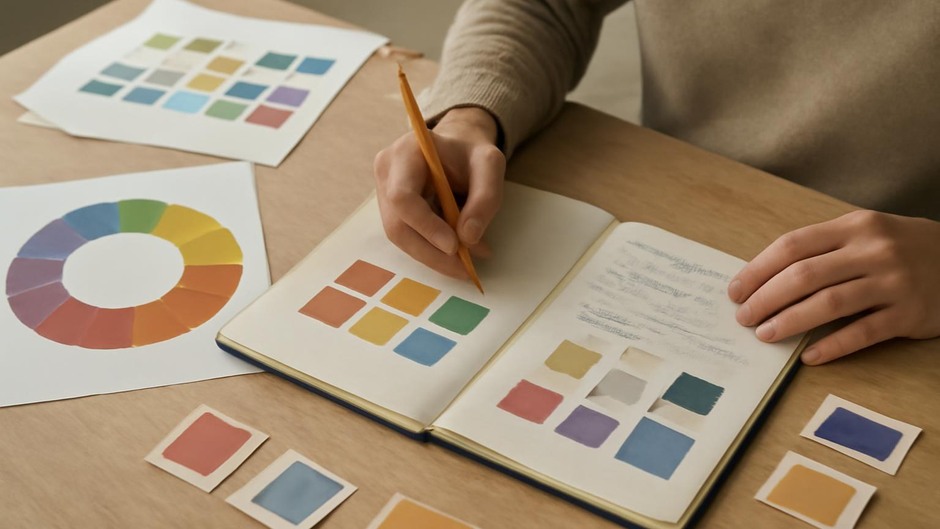
Pay attention to how colour drives narrative and hierarchy. Bold accents often indicate importance; muted backgrounds can provide context without competing. See how colour temperature establishes mood and how limited palettes create cohesion. Recording these observations helps build a repertoire of colour strategies.
Context and Cropping
Notice how framing and cropping change an image’s message. Tight cropping can intensify focus; expansive framing encourages exploration of relationships. Consider how changing the frame in a personal study could alter emphasis and compositional dynamics.
Practical Exercises
- Choose a single image and spend five minutes mapping values and shapes, then replicate the structure in a small, abstract thumbnail.
- Create a palette from a found image and mix the colours on a small paper swatch.
- Collect images that use a similar compositional trick and compare how each one executes the device.
Keep a Visual Notebook
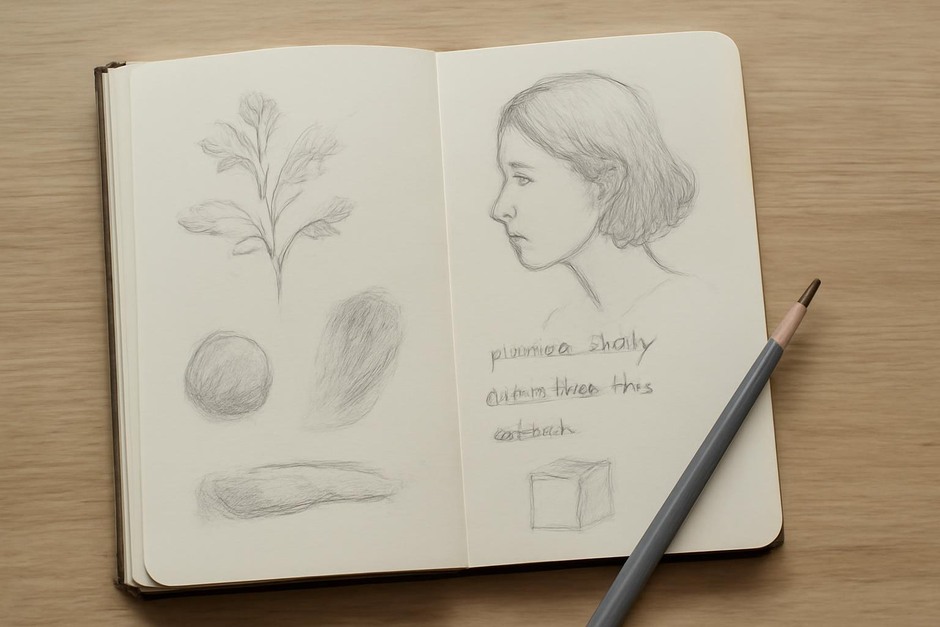
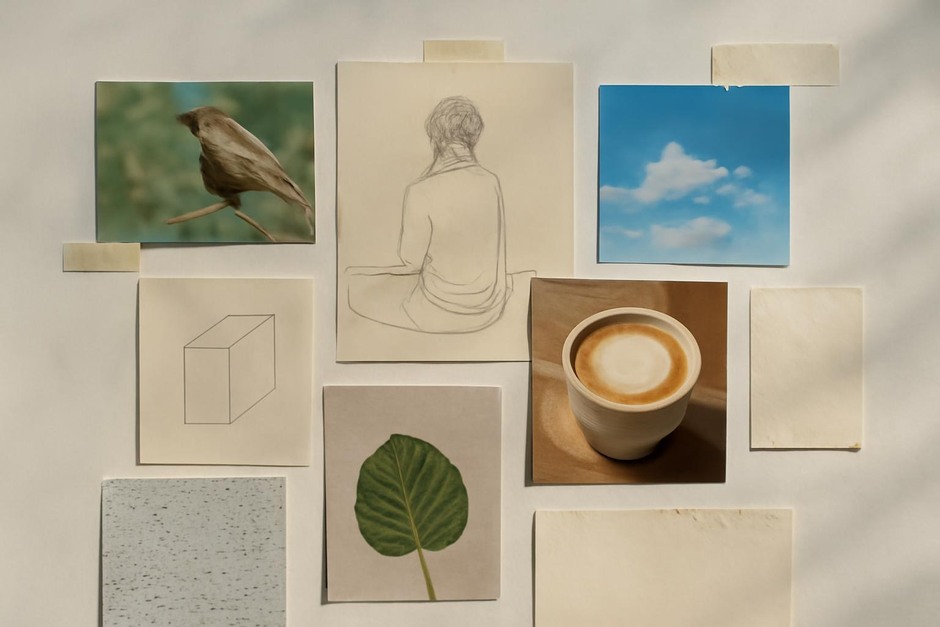
Maintain a sketchbook with clipped images, thumbnails and short notes. Over time this notebook becomes a personal reference that records visual solutions encountered in everyday life. Use it as a source of ideas and a reminder that inspiration is present in ordinary places.
Practice Without Pressure
Reading images is an observational skill that improves with gentle, repeated attention. It is not about imitation but about expanding one’s awareness of choices available in composition, colour and material. Slow, regular study of everyday images quietly sharpens judgment and enriches creative practice.